



The Unique Value of Handcrafted Home Décor and Furniture
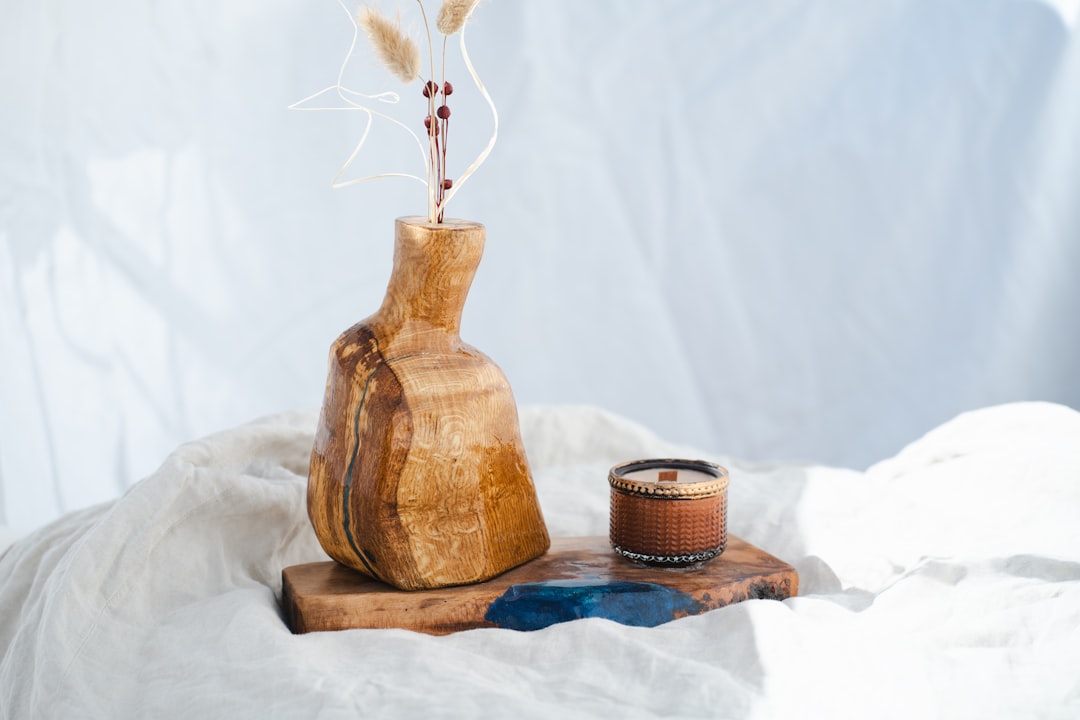
The Unique Value of Handcrafted Home Décor and Furniture
Discover why handcrafted home décor and furniture offer more than just aesthetics — they connect us to tradition, sustainability, and artisanship, enriching your home with authenticity and soul.
Estimated Reading Time
8 minutes
Key Takeaways
- Handcrafted décor is unique, authentic, and emotionally meaningful.
- Choosing handmade supports sustainability, cultural heritage, and ethical artisan labor.
- Though often priced higher, handmade pieces provide long-term value and durability.
- Slow consumption and mindful living align perfectly with artisanal home goods.
- Technology and online platforms are helping revive and sustain traditional crafts.
Table of Contents
- Why Choose Handcrafted Home Décor?
- The Emotional Connection of Handmade
- Economic Sense Behind Handcrafted Home Goods
- Handmade Home Décor and the Slow Consumption Movement
- Market Trends and the Future of Artisanal Crafts
- Examples of Artisanal Home Décor You Can Invest In
- How to Support Handmade and Artisanal Crafts
1. Why Choose Handcrafted Home Décor?
Authenticity and Uniqueness in Every Piece
Handcrafted home décor stands apart because each item is a one-of-a-kind creation. Skilled artisans pour their emotion, time, and heritage into every curve, finish, and stitch. No two handmade objects are exactly alike, offering subtle variations that serve as proof of their authenticity.
- Artisans infuse personality and character through hand-tooling and custom finishes.
- These unique qualities can turn everyday home items into cherished keepsakes.
- Unlike uniform factory mass-production, handmade décor holds an irreplicable charm.
This uniqueness is more than beauty — it’s a connection to the human spirit behind the creation. When you bring handcrafted pieces into your home, you invite stories and craftsmanship that machines simply cannot replicate.
Durability and Environmental Responsibility
Handmade furniture and décor often use high-quality natural materials and traditional techniques passed through generations. Skilled artisans carefully select timber, stone, or textiles known for their lasting qualities.
- These materials and methods prioritize long-term durability.
- Handmade pieces are designed to be heirlooms rather than disposable items.
- This approach reduces waste and lessens the environmental damage caused by cheap, factory-made goods.
By choosing handmade, consumers support sustainability. It’s a conscious choice that favors slow consumption over throwaway culture, lowering your footprint while enhancing your home's beauty.
Preserving Cultural and Artistic Heritage
Craftsmanship is a vital link between the past and the present, preserving cultural heritage worldwide.
- Every handcrafted item reflects traditions and skills developed over centuries.
- Purchasing such goods keeps these cultural identities alive.
- This support ensures artisan communities can pass on their craft to future generations.
For example, hand-woven Moroccan rugs and handmade pottery carry stories and symbolism specific to their regions, enriching a home with history and artistry.
2. The Emotional Connection of Handmade
The "IKEA Effect" in Handmade Products
Studies show that people value products more when they have a hand in creating or personalizing them — a phenomenon called the "IKEA effect." When it comes to handcrafted goods, this effect naturally grows stronger:
- Knowing the story behind an artisan’s work builds attachment.
- Customization options let buyers participate in the creation process.
- Owning pieces crafted with care gives a sense of pride and satisfaction.
This emotional bond transforms décor from mere objects into meaningful possessions that brighten not only your home but your spirit as well.
Supporting Local Artisans and Ethical Practices
Buying handmade means sustaining small-scale artisans and local economies instead of fueling exploitative mass production.
- Artisans get fair pay for their expertise and labor.
- Materials are often locally sourced, reducing transportation emissions.
- Ethical working conditions are more feasible in smaller, community-based operations.
This conscious purchasing upholds fairness and supports cultural preservation. It allows buyers to feel good about where their money goes and the impact it has.
3. Economic Sense Behind Handcrafted Home Goods
Understanding the Value Behind the Price
Handmade products often come with a higher price tag compared to factory-made pieces. This is because:
- Craftspeople invest significant time, honing skills over years or decades.
- Materials are often premium and sustainably sourced.
- Pieces undergo meticulous finishing processes for quality and longevity.
While the upfront cost may be greater, handmade items can be a wise long-term investment:
- Durability means fewer replacements, saving money over time.
- Heirloom quality can enhance sentimental and potential resale value.
- The unique artistry adds a sense of luxury and character that mass-produced goods lack.
Customization and Personalized Experience
Many artisans provide tailored options, allowing customers to influence:
- Choice of materials, colors, and finishes
- Design details and dimensions
- Special personalization like monograms or motifs
This direct engagement builds trust and satisfaction, making the purchase deeply personal and often more fulfilling.
4. Handmade Home Décor and the Slow Consumption Movement
Growing awareness of environmental and social issues has sparked a shift from fast consumerism toward "slow living" philosophies.
- Emphasis is on quality rather than quantity.
- People value sustainability and cultural richness over disposability.
- Handmade goods embody these principles as intentional purchases fostering lasting relationships.
Choosing artisanal décor means embracing mindfulness and purpose in decorating your space, creating a home that truly reflects your values.
5. Market Trends and the Future of Artisanal Crafts
The Resurgence of Handmade Goods
Online platforms like Etsy and local artisan markets have propelled renewed appreciation for crafted products.
- These marketplaces connect buyers directly with makers.
- They offer access to global and regional crafts previously hard to find.
- Community-driven events spotlight local talent and cultural heritage.
This trend is expanding as consumers increasingly seek meaningful possessions and ethical sourcing.
Technology’s Role in Handmade Production
While authenticity is key, technology can complement artisanal work:
- Digital tools may enhance design efficiency without compromising craftsmanship.
- Improved supply chain transparency supports ethical sourcing.
- Social media enables artisans to tell their stories and reach wider markets.
This hybrid approach promises a bright future for handmade home décor, combining tradition with innovation.
6. Examples of Artisanal Home Décor You Can Invest In
- Handwoven Moroccan Rugs: Timeless pieces rich in symbolism and texture.
- Handcrafted Wooden Furniture: Like super king beds or rustic tables built to last generations.
- Ceramic Pottery: Functional art produced with local clays and glazes, perfect for everyday use and display.
- Custom-Made Lighting: Unique fixtures that showcase artisan metalwork or blown glass.
- Textile Arts: Hand-embroidered cushions or blankets that add warmth and cultural character.
Each item brings not only function but story and legacy into your home.
7. How to Support Handmade and Artisanal Crafts
- Seek out local artisan shops and fairs.
- Explore ethical online marketplaces with transparent sourcing.
- Engage directly with artisans to learn about their techniques and stories.
- Prioritize quality and sustainability over price alone.
- Share and promote artisan work with your community.
Supporting handmade crafts nurtures a cycle of respect, creativity, and environmental care that benefits all.
Conclusion
Handcrafted home décor and furniture offer more than decoration — they bring authenticity, sustainability, cultural heritage, and emotional connection into your home. Choosing artisanal pieces supports skilled makers and ethical labor while fostering mindful consumption. It’s a meaningful choice that fills your home with art, story, and soul.
For those seeking uniqueness and sustainability, embracing handcrafted décor is a powerful step forward.
Related Posts:
- artisan craftsmanship
- cultural heritage
- emotional connection
- handcrafted home decor
- sustainability